


Content Creation Tools: 2025 Update
The digital content creation landscape is undergoing rapid transformation, driven by advancements in artificial intelligence. In 2025, AI tools are playing an increasingly vital role for content creators, marketers, and businesses seeking to enhance efficiency and engagement. These tools offer a range of capabilities, from generating written content to creating visual designs and editing videos, impacting various aspects of the content creation process.
Table of contents
Official guidance: IEEE — official guidance for Top Tools Transform Your Content Creation Update 2025
AI’s Impact on Written Content Creation
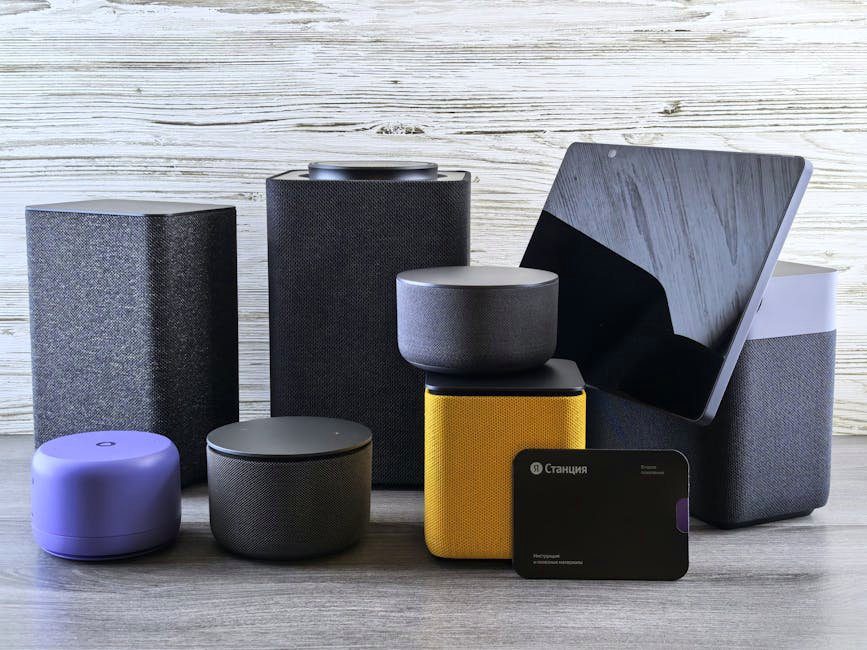
The demand for high-quality, consistent written content continues to grow, and AI is stepping in to address this need. Tools like ChatGPT have evolved to offer advanced content generation, SEO optimization, and brand voice maintenance. These platforms are designed to assist content writers, marketers, and businesses in producing written material at scale. The ability to adapt content to multiple formats and conduct research are also key features, streamlining the writing process and ensuring content aligns with brand guidelines.
Market analysis indicates a growing adoption of AI-assisted writing tools as businesses seek to maintain a consistent brand voice across various platforms. The incorporation of SEO optimization features also highlights the importance of search engine visibility in content strategies. The availability of different pricing tiers, including free options, suggests a move towards accessibility for a wider range of users, from individual creators to large enterprises.
Visual Content Creation and Design Trends

Visual content remains a critical component of digital marketing, and AI is enhancing the capabilities of design tools. Canva Magic Studio, for example, combines a user-friendly interface with AI-powered design generation, brand kit integration, and animation tools. This allows users to create professional-looking designs quickly, catering to small businesses, social media managers, and others who need visually appealing content without extensive design expertise.
Industry trends point towards a greater emphasis on brand consistency in visual content. The integration of brand kit features in AI design tools enables businesses to maintain a unified visual identity across all marketing materials. The availability of template libraries and resize functions also contributes to increased efficiency in creating content for various platforms. These features are particularly beneficial for teams and businesses looking to streamline their design workflows.
Video Content Creation and Editing Advancements
Video content continues to dominate online platforms, and AI tools are transforming the way videos are created and edited. RunwayML offers video generation and editing capabilities, including real-time visual effects, smart motion tracking, and AI-powered editing suites. These features allow video creators, YouTubers, and social media managers to produce professional-quality videos more efficiently.
Market analysis reveals a growing demand for tools that simplify the video editing process. Features like green screen effects without an actual green screen and the ability to manipulate video content with text prompts are gaining traction. Synthesia is also allowing users to create AI avatar-based videos in multiple languages. Descript simplifies podcast and video editing with transcription features, further streamlining post-production workflows.
AI Art Generation and its Impact on Marketing
AI image generation is also becoming increasingly important for producing marketing materials. Tools like Midjourney V6 are capable of generating photorealistic images with style control, allowing for the creation of visuals that align with brand identity. These capabilities are beneficial for social media managers, digital marketers, and anyone needing visuals on a consistent basis.
The ability to generate images with commercial usage rights is a benefit of these tools. The adoption of AI-generated art also reflects a shift in consumer behavior, with audiences becoming more accepting of AI-created content. The community support surrounding these platforms further enhances their value for creators seeking inspiration and guidance.
As AI technology continues to evolve, its role in content creation will likely expand further. These tools are not intended to replace human creativity but rather to augment it, enabling creators to focus on strategy, storytelling, and audience engagement. The adoption of AI tools is becoming increasingly essential for staying competitive in the dynamic digital landscape.
Disclaimer: The information in this article is for general guidance only and may contain affiliate links. Always verify details with official sources.
Explore more: related articles.