

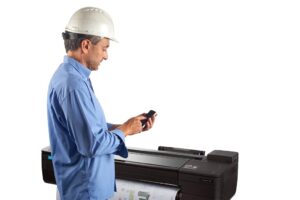
The need for printing solutions persists in both home and office environments, even amidst the rise of digital alternatives. From individuals requiring occasional document printing to home offices demanding reliable workhorses, the demand for printers remains significant. Evaluating factors like printing quality, cost efficiency, and user-friendliness is crucial when selecting a printer. For many, “Printers for Home and Office: Brother, HP, and More” will come down to balancing initial cost with long-term value and specific usage needs.
Table of contents
Official guidance: IEEE – official guidance for The Best Printers for Home and Office: Brother, HP, and More
Key Developments
A primary consideration when purchasing a printer is the choice between inkjet and laser technology. Laser printers, while often more expensive upfront, generally offer a lower cost per page and faster printing speeds. However, inkjet printers are more versatile in terms of paper type compatibility, accommodating materials like windowed envelopes and photo paper that may not be suitable for the heat-based bonding process of laser printers. Inkjet technology has evolved, with ink tank models gaining popularity due to their improved cost-effectiveness, reduced plastic waste, and increased convenience compared to traditional cartridge-based systems. The rise of ink tank printers is reshaping the market for “Printers for Home and Office: Brother, HP, and More”.
Thermal printers represent another segment of the printer market, primarily used for receipts and shipping labels. These printers utilize heat to create images on specialized paper, offering a cost-effective solution for high-volume, low-resolution printing tasks. While thermal printers have limitations in terms of color and image quality, they can significantly reduce ink costs for specific applications. The selection of “Printers for Home and Office: Brother, HP, and More” should align with the intended use case and printing volume.
Market Analysis: Inkjet Versus Laser Printers

The printer market continues to see a divide between inkjet and laser technologies, each catering to distinct user needs. Laser printers are favored for their speed and cost-effectiveness in high-volume text printing, making them a popular choice for office environments. Inkjet printers, particularly those with ink tank systems, are gaining traction in the home market due to their versatility and lower running costs compared to traditional cartridge-based models. When considering “Printers for Home and Office: Brother, HP, and More”, consumers must weigh the initial investment against long-term operational expenses.
The increasing adoption of ink tank printers reflects a growing consumer awareness of environmental concerns and the desire to reduce plastic waste. This trend is driving manufacturers to innovate and offer more competitive ink tank options. Furthermore, the connectivity features of printers, such as Wi-Fi and mobile printing capabilities, are becoming increasingly important to consumers. “Printers for Home and Office: Brother, HP, and More” are now expected to seamlessly integrate with various devices and networks.
Connectivity and Interface Options

Connectivity remains a key consideration when selecting a printer. While Wi-Fi connectivity is becoming increasingly prevalent, particularly in higher-end models, it is not always a standard feature. Users with desktop computers may opt for a USB connection and share the printer over a network, but Wi-Fi offers greater flexibility for those without a dedicated desktop or convenient Ethernet port. The availability of different interface options also plays a role in user experience. Basic models may have limited or no screens, while more advanced printers feature color LCDs or touchscreens for easier navigation and configuration. For those seeking “Printers for Home and Office: Brother, HP, and More”, a user-friendly interface can significantly enhance productivity.
The presence of a document feeder can also influence the importance of a printer’s interface. A well-designed interface with intuitive presets and options can save time when making multiple copies. Ultimately, the ideal connectivity and interface options depend on the user’s specific needs and workflow. Assessing these factors is essential when determining “Printers for Home and Office: Brother, HP, and More” for a particular environment.
Consumer Insights: Choosing the Right Printer
Consumer preferences in the printer market are increasingly driven by factors beyond basic printing functionality. Cost efficiency, environmental impact, and ease of use are becoming more influential in purchasing decisions. Ink tank printers are gaining popularity as consumers seek to reduce their long-term printing costs and minimize plastic waste. The demand for wireless connectivity and mobile printing capabilities reflects the growing reliance on mobile devices and cloud-based services. Identifying “Printers for Home and Office: Brother, HP, and More” requires a thorough understanding of these evolving consumer needs.
The choice between inkjet and laser printers remains a critical decision point for consumers. While laser printers offer advantages in terms of speed and cost per page for high-volume text printing, inkjet printers provide greater versatility for printing photos and other graphics. Ultimately, the “Printers for Home and Office: Brother, HP, and More” depends on the user’s specific printing requirements and budget. By carefully evaluating these factors, consumers can make informed decisions that align with their individual needs.
In conclusion, the selection of “Printers for Home and Office: Brother, HP, and More” is a multifaceted decision that requires careful consideration of printing technology, connectivity options, interface features, and consumer preferences. The ongoing evolution of printer technology, particularly the rise of ink tank systems and thermal printers, is reshaping the market and providing consumers with a wider range of options. By understanding the key developments and consumer insights discussed, individuals and businesses can make informed choices that meet their specific printing needs.
Technology Disclaimer: Product specifications and features may change. Always verify current information with official sources before making purchase decisions.
Explore more: related articles.